How Summer Heat Damages Your Roof (And What Homeowners Can Do About It) | Roof Repair in St. Louis, MO
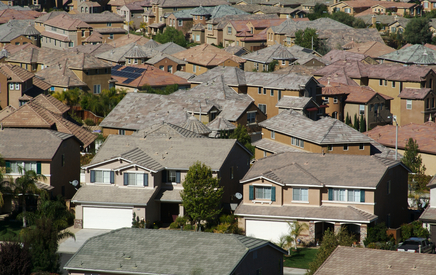
St. Louis summers bring long stretches of sun, thick humidity, and roof temperatures that can climb far higher than the air outside. That punishing heat wears on shingles, flashing, and sealants day after day. If you have noticed changes on your roof or inside your attic, it may be time to schedule roof repair in St. Louis, MO with Storm Pro Solution, LLC so small issues do not turn into bigger problems.
In this guide, we explain how heat hurts a roof in our region, what to watch for, and how a professional visit protects your home and comfort during peak summer.
What Summer Heat Does To A Roof In St. Louis, MO
On the hottest days, your shingles heat up fast, then cool down at night. That daily cycle makes roofing materials expand and contract. Over time, stress builds where shingles meet, around fasteners, and along sealant lines. The result is small gaps that let wind-driven rain sneak in.
UV exposure accelerates aging. Sunlight dries out asphalt binders and weakens the bond to protective granules. As those granules loosen, shingles look bald or patchy. Less granule cover means more UV reaches the mat, which speeds cracking and brittleness.
Thermal movement strains fasteners. Heat causes the roof deck and shingles to swell. Nails can lift a hair, creating tiny raised spots and gaps under the shingle tabs. Those gaps invite water and can lead to dark streaks or isolated leaks after summer storms.
Sealants soften under extreme heat. Tabs may lose some stickiness when temperatures spike, especially on older roofs. In high sun areas like south- and west-facing slopes, this can let wind catch the edges. Flashing sealants around chimneys and vents also age faster, becoming brittle later in the season.
Attic Heat Buildup And Roof Ventilation Issues
Heat outside is only half the story. The other half is the air trapped beneath your roof. When air stalls in the attic, surface temperatures stay higher for longer and moisture has nowhere to go. That combination shortens roof life and can affect comfort inside living spaces.
A balanced system moves cooler air in at the soffits and lets hot air out at the ridge or roof vents. If any part of that path is blocked by insulation, paint, or debris, temperatures rise and humidity lingers. Over time, wood parts can dry out or, in damp pockets, show early signs of staining.
High attic temperatures cook shingles from below. Even a healthy roof will age faster if the attic acts like an oven. A professional can evaluate airflow, check for hot spots, and recommend steps to restore balance without changing how your home looks.
Missouri vs. Florida: How Heat And Climate Change Roof Wear
Summer heat affects all roofs, but local climate shapes how that damage shows up. In Missouri, the mix of heat, humidity, and big day-to-night temperature swings puts stress on shingle bonds and fasteners. Afternoon pop-up storms push water across lifted edges and around flashing details. Hail is a seasonal risk in parts of the metro, which can speed wear that heat later magnifies.
Florida heat is more constant and UV levels are intense for longer stretches. Salt in coastal air can add surface wear on metal components and flashing. Roofs in Florida often face frequent wind-driven rain during summer. That steady combination of sun and moisture can leave shingles faded, edges brittle, and sealants aged early. By comparison, St. Louis roofs see stronger daily temperature swings that drive expansion and contraction cycles. The takeaway is simple: extreme heat is tough everywhere, but it attacks materials in different ways based on your climate.
Signs Of Heat Damage Homeowners Can Spot
You do not need to climb a ladder to notice warning signs. A quick look from the ground or from a safe window can tell you a lot. If you see any of the issues below, set up a professional visit soon.
- Curling or cupped shingle edges, especially on sunny slopes
- Patchy or bald shingle areas where granules have worn off
- Dark lines or small humps that hint at raised nails or lifted tabs
- Cracked, shiny, or slumped sealant around vents and chimneys
- Hot rooms under the attic even when the AC runs
- Stains on ceilings after summer storms
These symptoms do not mean a full replacement is required. Many heat-related issues can be repaired when caught early. An expert can tell which areas need attention and how to extend the life of your current roof.
How Pros Diagnose And Fix Heat-Related Problems
A quality visit starts with a full-roof assessment. A trained roofer checks slopes, valleys, and penetrations, then reviews attic airflow and signs of condensation. The goal is to find the root cause, not just the most visible symptom.
Typical repair steps may include replacing brittle or curled shingles in small sections, re-sealing flashing where heat has aged the bead, and securing tabs that no longer hold. When attic airflow contributes to high temperatures, your roofer may recommend improvements that fit your home’s layout so the roof sheds heat more evenly.
To see how Storm Pro Solution, LLC handles targeted fixes and protective maintenance, explore our approach to roof repair in St. Louis, MO and why a timely visit helps prevent mid-summer leaks and comfort problems.
When Roof Repair vs. Replacement Makes Sense
Heat damage is often spotty. If most shingles still have strong granule cover and lying flat, focused repairs can buy years of service. Repairs are also a smart choice when leaks are isolated to flashing or features like skylights or pipe boots that have aged faster in the sun.
Replacement enters the picture when heat has worsened widespread wear. Examples include large areas of bald shingles, repeated lifting across many rows, or a roof that is already near the end of its expected lifespan. If your roofer finds many soft or brittle tabs, that is a sign the mat has aged out. In those cases, planning a full roof replacement can protect the home’s structure and reduce future service calls.
How Timing Affects Roof Lifespan In Hot Weather
Summer is tough on roofs. The longer a problem stays open during peak heat, the faster surrounding shingles age. Quick action after a storm or during a heat wave can keep damage contained. Many homeowners prefer early morning or late season visits when temperatures are easier on roofs and crews.
Seasonal timing also helps with airflow fixes. Restoring balance in the attic early in the summer helps all season long. If you are planning a major exterior project, align it so roofing and ventilation improvements work together.
How To Prevent Heat Damage Without DIY
Preventing heat damage does not require climbing a ladder or doing repairs yourself. It is about paying attention and scheduling professional service at the right times.
- Book a pro checkup before or during the hottest stretch of summer to catch small issues early.
- Ask for an attic airflow evaluation so your roof can cool more evenly through the season.
- Have vulnerable spots like south- and west-facing slopes, chimneys, and vents reviewed for aging sealant.
These steps protect comfort, reduce the chance of storm leaks, and help your roof last longer. When paired with prompt repairs, you can stay ahead of common hot-weather problems that affect many St. Louis neighborhoods from South City and Maplewood to Kirkwood, Florissant, and Chesterfield.
Why Prompt Professional Care Pays Off
Waiting gives summer heat more time to expand cracks and dry out aging shingles. Prompt care keeps moisture out and preserves the parts of your roof that still have years left. It also helps steady indoor temperatures so your AC does not fight extra attic heat.
Benefits of quick, targeted fixes include:
- Stopping leaks before they spread to decking or drywall
- Keeping shingles sealed so wind and rain cannot lift edges
- Improving comfort in rooms under the attic during peak heat
- Maintaining a tidy look from the street
Missouri Homes Need A Missouri Plan
Every metro area has its roofing quirks. In St. Louis, roofs battle high humidity, wide daily temperature swings, and fast-moving summer storms. Your plan should match those realities. That means focusing on ventilation balance, early repair of sun-baked slopes, and tight flashing details that stand up to wind and rain.
Storm Pro Solution, LLC understands how local weather, tree cover, and home style change the way heat affects your roof. We tailor recommendations to your home so you get practical, durable fixes without guesswork.
Ready For A Professional Assessment In St. Louis?
If you are seeing curling shingles, patchy granules, or rooms that stay hot, now is the time to act. Book an expert visit with Storm Pro Solution, LLC and get a clear plan to protect your home before the next heat wave. Start with our page on roof repair in St. Louis, MO or call us at 877-786-7660. We will assess your roof, explain what we find in plain language, and complete the right fix so your home stays dry and comfortable all summer.